
Warning: Undefined variable $close_value in /home/jannakys/www/concerts/wp-content/plugins/my-tickets/mt-add-to-cart.php on line 336
Warning: Undefined variable $close_value in /home/jannakys/www/concerts/wp-content/plugins/my-tickets/mt-add-to-cart.php on line 336
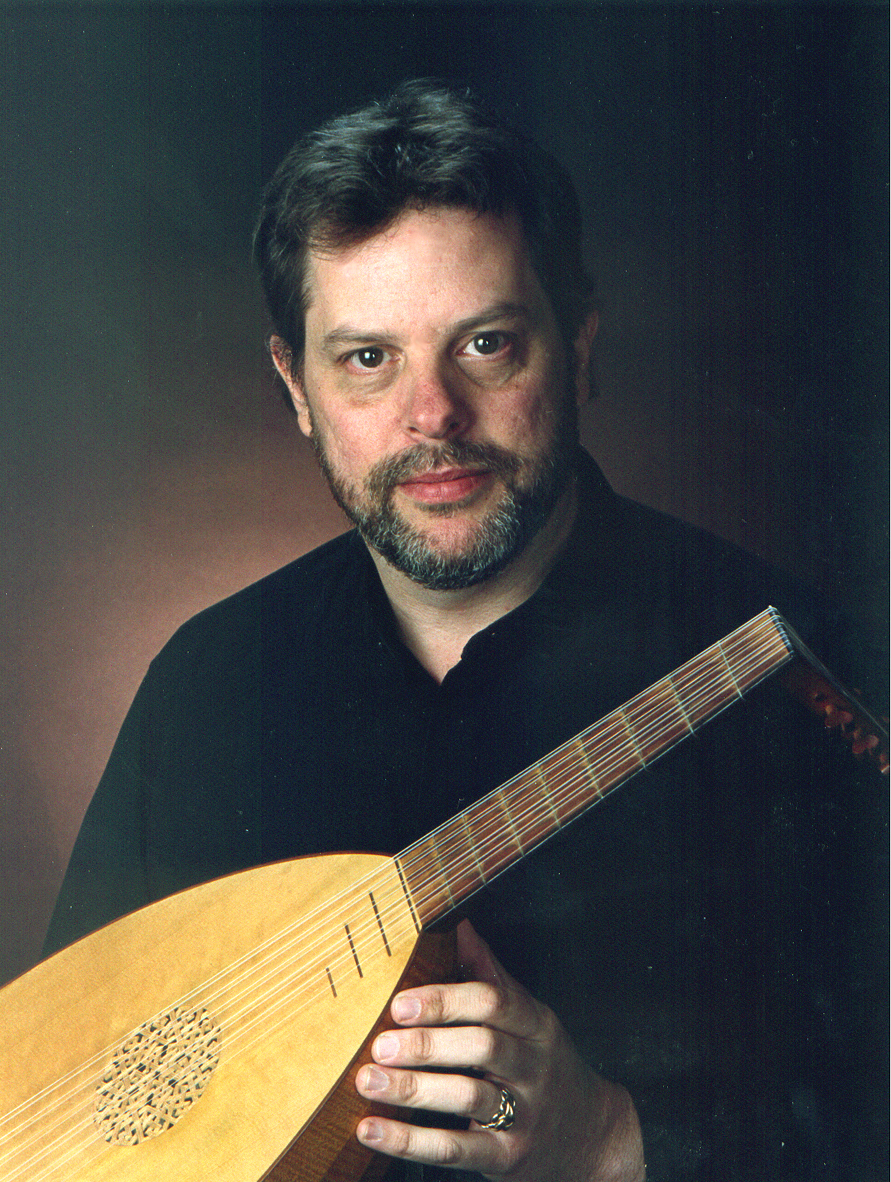
Phillip Rukavina will perform a solo concert of four baroque lute suites:
Online registration for this event is closed
Recommended donation is $20/person.
Sonata in G Major – Giovanni Zamboni, 1664-1721
Sonata in F Major – Sylvius Leopold Weiss, 1687-1750
Suite in c minor – Robert di Visée, 1655-1733
Suite in G Major – Johann Sebastian Bach, 1685-1750
In this performance, you will hear four dance suites composed at various times during the Baroque age in Europe (ca. 1630-1750). As the suites are all for solo lute, they are known as “lute suites.” Aside from their preludes, each of these suites is comprised of a varied number of movements consisting of popular Baroque dance forms, such as the allemande, courante, gigue, etc. The dances included in a typical dance suite, and their order of appearance, became codified (to a great extent) throughout Baroque Europe. Although still strongly linked to the actual practice of social dancing at court (a hugely popular pastime in the Baroque age), the dance suite also served to expand a listener’s experience of purely instrumental music at the time.
In the Baroque age, it was difficult to extend a piece of purely instrumental music beyond 10 or 15 minutes in length due to the stricures of musical composition at the time. Any individual piece of baroque music maintained a static emotive quality, or affect, throughout. In other words, Baroque instrumental music could express various affective states (joy, anger, bliss, or melancholy, etc.) but was unable to express the evolution of an emotion from one into another. (At least not in the sense that we understand today.) However, with the gathering of individual dances into a continuous flow of instrumental music, changes in mood or affect over the length of a suite became a reality. Each individual type of dance brought it’s own distinctive mood and character. By arranging several dances into a single suite, it offered a kaleidoscope of emotive affects over the entire listening experience of the suite. This was most pleasing to both the Baroque listener and dancer. Further, the well-known dance forms present in a typical Baroque dance suite gave listeners an advanced notice of the kind of emotive affects they could expect to experience during the performance.
For composers, the dance suite opened the door to a new model for creative expression as they composed and assembled the dances for their suites- each of which shared both key and musical ideas, but maintained their individual and characteristic emotive affects. Below is a very generalized description of the affect found in each type of dance.
Online registration for this event is closed